- Hardness Test
- Mechanical Testing Such as Tensile of Area
- Positive Material Identification – PMI Testing
- Chemical Analysis – Spectro Analysis
- Micro and MacroTest
- Flattening Test
- Flaring Test
- Pitting Resistance Test
- Intergranular Corrosion (IGC) Test

ASTM A182 Chrome Moly Blind Flange and Low Alloy Slip On Flanges supplier in Mumbai
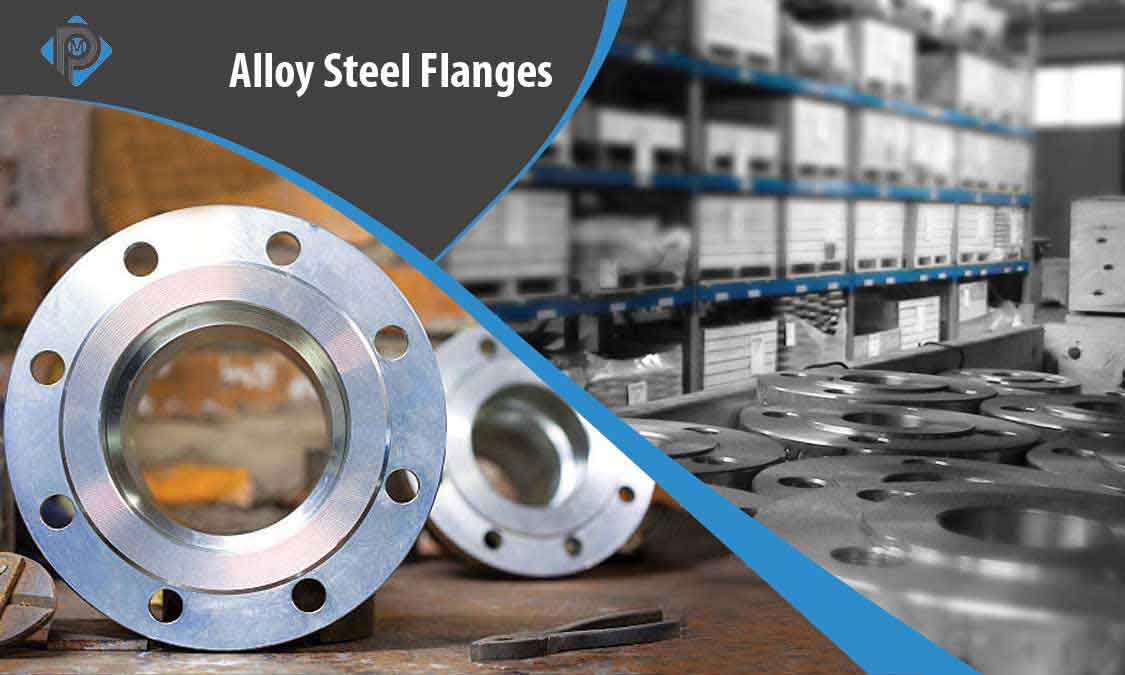
Alloy Steel Socket Weld Flange and Weld Neck Flange manufacturer offers Class 150 to 2500 pressure rating, call us for a free quote
What is Alloy Steel Flanges?
Alloy steel flanges are designed with a variety of alloys. The versatile flanges can be alloyed between 1% to 50%, helping in determining the various properties of these flanges. The content of alloys ensures that the flanges possess certain corrosion and oxidation resistance in the systems. Iron and carbon are the most common alloys in this grade. The robust high strength flanges showcase excellent mechanical performance across stress-induced setups.
Why Is Alloy Steel Flange Face Protection Important?
A face type in a flange is a gasket that is employed in sealing the flanged connection. Dents, damage, or corrosion build-up will lead to failure of the flange. This type of damage can lead to increase costs due to repairs or replacement ultimately resulting in delaying the project.
ASTM A182 F92 Weld Neck Flange vs SA182 F92 Slip On Flange
Flanges are classified based on their face type, load-bearing capacity, and functionality.
- ASTM A182 F92 weld neck flange is designed with a long protruding hub. Similarly, an SA182 F92 slip on flange is designed with a low-profile head.
- Slip on flanges are a feature in low pressure applications. Weld neck flanges are a common feature in high pressure setups.
- SOF flanges are slid on the pipe feature and welded, making use of one or more fillet welds. WNFR flanges are welded using a butt-weld.
Get best price of ASTM A182 Flanges in India, check Chrome Moly Forged Flanges such as Blind, Socket weld, Orifice, Spectacle Blinds, Weld neck pressure rating and specification, Manufacturer of Low Alloy Steel Socket Weld Flange and ASTM A182 Forged Flanges
Alloy Steel Lap Joint Flange Vs Alloy Steel Thread Flange
- Alloy steel lap joint flange is a two-part assembly consisting of a backing flange and a stub end. Alloy steel thread flange consists of threads that correspond to a valve or a pipe.
- A lap joint flange is butt-welded in place, while a threaded flange doesn’t need to be welded in place.
- Threaded alloy flanges are used in low-pressure setups. Lap joint alloy flanges are a choice in high-pressure systems.
Welding process of Large Diameter Alloy Steel Flange
Large diameter alloy steel flanges are welded in place using a singular weld joint. The flanges are divided into 8 equal parts and are shaped in an x shaped groove. The flange is readily welded in place, making use of manual arc welding process using CO2 gas shielded welding process.
Manufacturing Alloy Steel Forged Flanges in various types and sizes, we offer AS Plate Flange for low, medium and high temperature, get Lap Joint Flanges in FF-Flat Face, RF-Raised face, RTJ, Tongue and Groove
Types of Alloy Steel Flanges
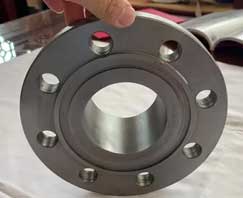
Alloy Steel Weld Neck Flanges
Alloy Steel WNRF Flange
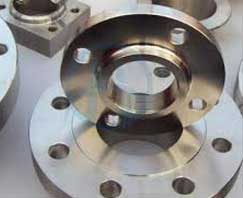
Alloy Socket Weld Flange
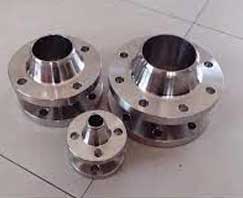
Low Alloy Steel SWRF Flanges
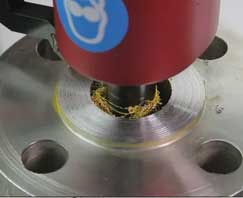
Chrome Moly Slip On Flange
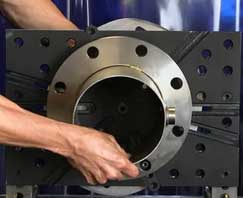
Chromium AS SORF Flanges
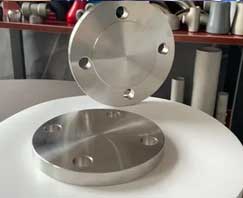
ASTM A182 Blind Flange
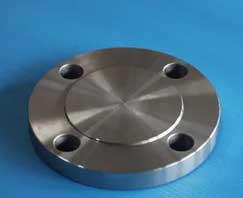
AS BLRF Flanges
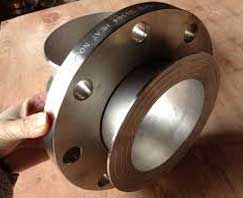
Chromoly Alloy Steel Lapped Joint Flange
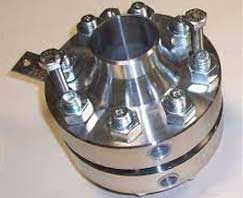
Alloy Steel Orifice Flanges
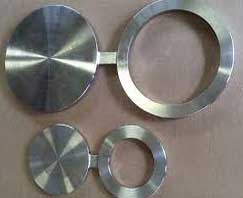
4130 Alloy Steel Spectacle Blind Flange
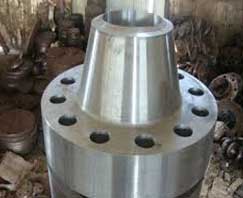
ASTM A182 Low Alloy Steel Tongue & Groove Flange
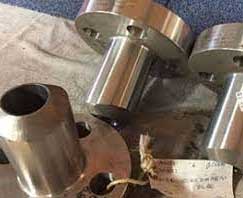
High Chrome Moly Nipo Flanges
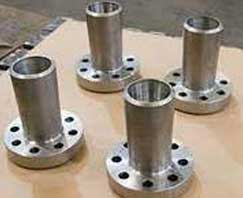
Alloy Steel Long Weld Neck Flange
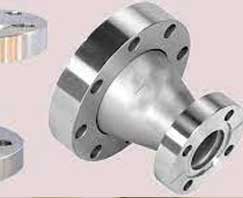
ASTM A182 Alloy Steel Reducing Flanges
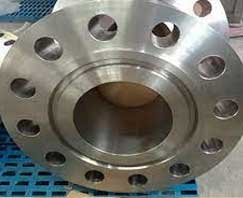
ANSI B16.5 Alloy Steel Ring Joint Flange
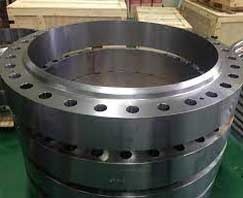
ASME SA 182 AS Girth Flanges

Alloy Steel Expander Flanges
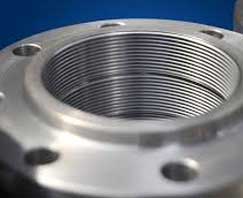
Chromoly AS Screwed Flange
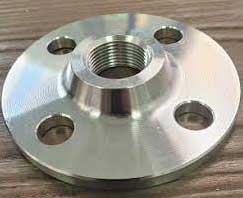
4140 Low Alloy Threaded Flange
High Chrome Moly Flanges Value Added Service

Check and compare our quality and pricing with any ASTM A182 AS Threaded Flange, Alloy Steel Flanges manufacturers in India, Alloy Steel Lap Joint Flange supplier in India offer Technical Inspection & MTR with all delivery
Alloy Steel Flanges Application
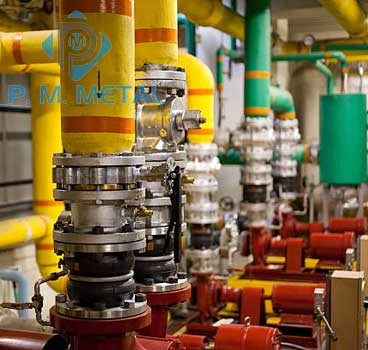
- Off-Shore Oil Drilling Companies
- Pharmaceuticals
- Petrochemicals
- Sea Water Equipment
- Chemical Equipment
- Gas Processing
- Pharmaceutical Equipment
- Power Generation
- Specialty Chemicals


